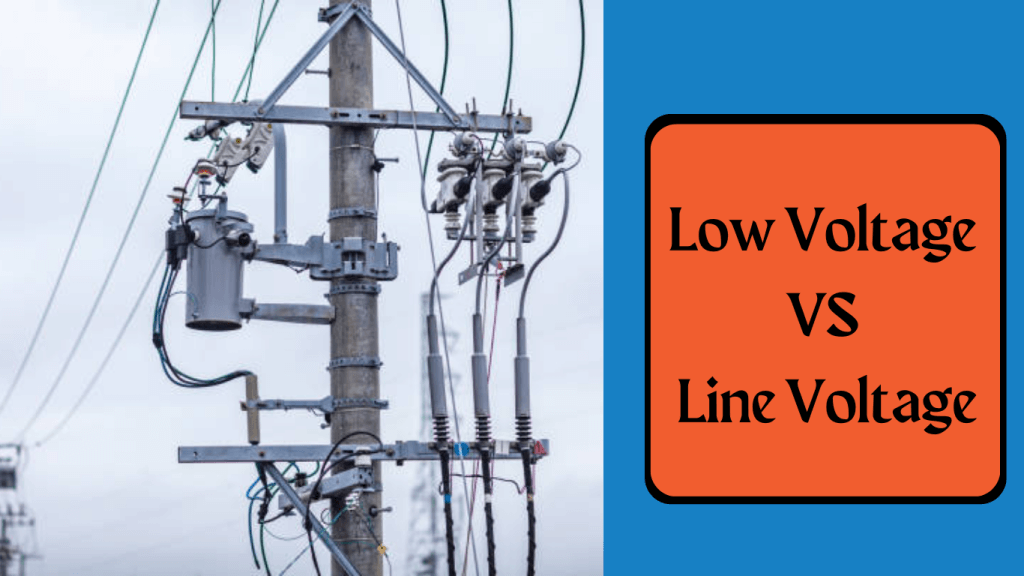
The difference between the low and line voltage for the newbies in the electrical field might not be clear. So, to help you understand the two terms and their implementation in electrical settings, here’s the article. What is voltage, and why is it important? When it comes to electrical systems, voltage is a known term, […]
Low Voltage vs Line Voltage—Why Does the Difference Matter? Read More »
While thinking about all the electrical appliances and electricity in general, have you ever thought about how fast electricity travels? This might sound like an academic question. But you might have encountered a situation where you thought about how long it would take for your bulb to light once you switched it on. Thinking, right?
How Fast Does Electricity Travel Read More »
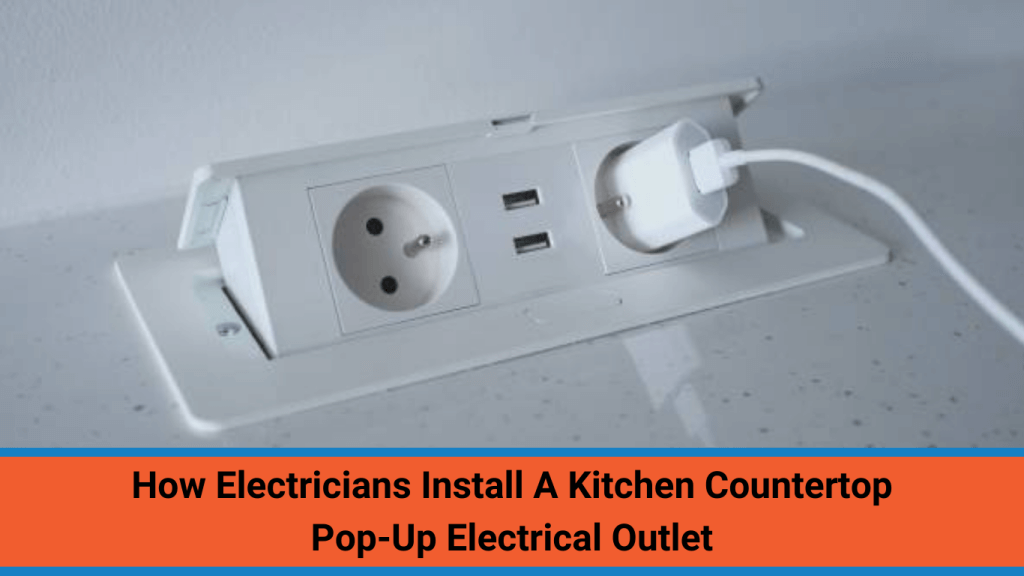
In this age of technology, when you have mobile phones and tablets in your hand, you cannot imagine a room without adequate electrical outlets. However, not all homes are designed in a customized manner. That means there might be limited circuits or outlets in the kitchen just letting you connect your juicer. So, for connecting
How Electricians Install a Kitchen Countertop Pop Up Electrical Outlet Read More »
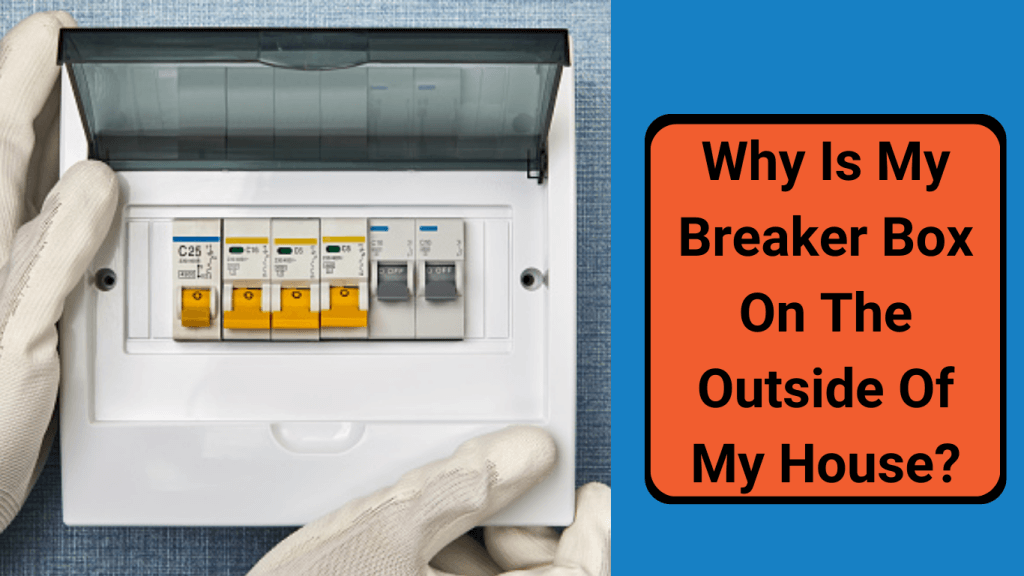
All of us are accustomed to having breaker boxes inside our main entrance, usually in the kitchen, garage, or laundry room. So, it is natural to be a bit astonished if you see the breaker box outside your home. You are rightly intrigued because this has not been the common practice in the past. Is
Why Is My Breaker Box on the Outside of My House? Read More »
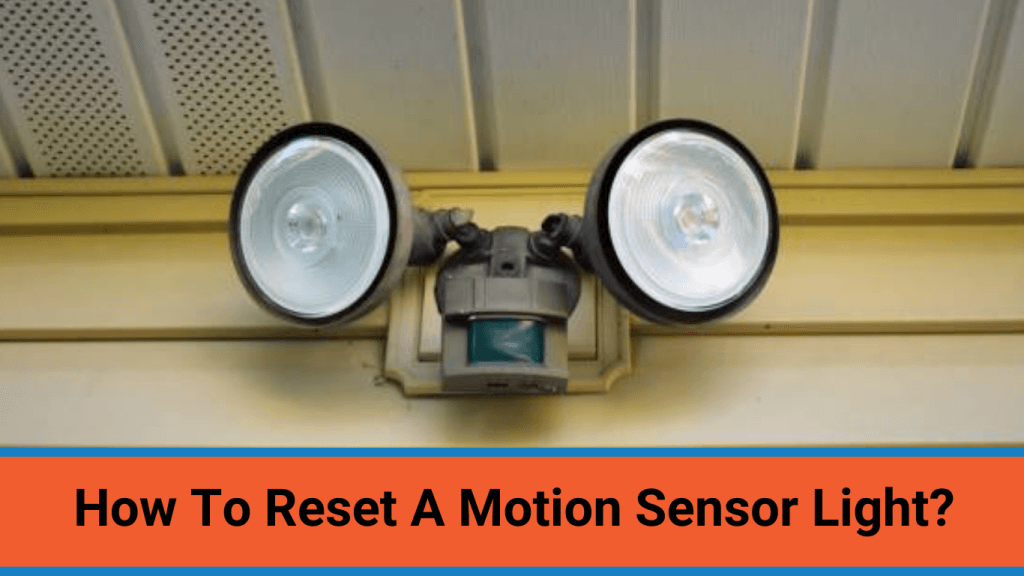
Is your motion sensor light not working? It is either stuck in the off or on position and no longer responds to your movement. Motion sensor lights are an ideal way to light up the garage, backyard, or pathway around your property. They are considered as an option for security lights as they light up
How to Reset a Motion Sensor Light? Read More »
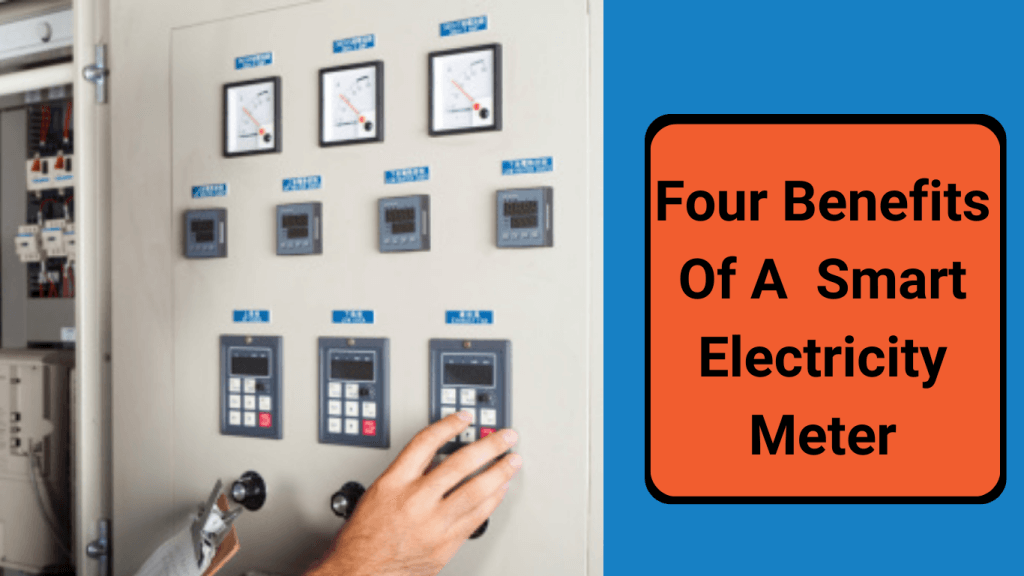
Smart Electricity Meters are prominent these days. Many utility companies have already provided such meters to homeowners. These meters are a technological update compared to their analog versions, offering several new service features to utility companies and clients. If you are unsure what benefits you can expect from the Smart Electricity Meter, this article is
Four Benefits of a Smart Electricity Meter Read More »
Like any other phenomenon, myths about electricity are prevalent. But one of the things different here is that believing in the myths regarding electricity could be deadly. You won’t even have time to rethink if you consider the fables real. Here in this article, we’ll cover some of the myths and the reality behind them
What are some common myths about electricity? Read More »
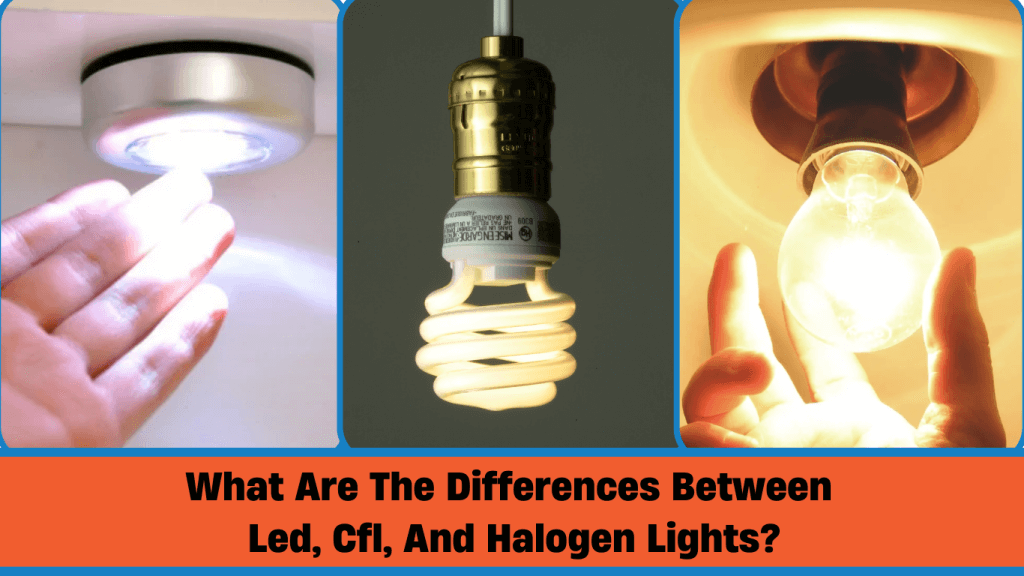
With the improvement in technology over time, there have been different types of bulbs trending in the market. Each of these bulbs has its own pros and cons. The purpose of these technologies is to make the lives of consumers convenient. Some of them consume more power while others work for longer periods. In this
What are the differences between LED, CFL, and halogen lights? Read More »
Electrical problems at home are more than just a matter of convenience; it is actually a necessity. It is extremely irritable to deal with electrical issues, when you have no knowledge about them. Electrical problems come with a set of wires, hazards, breakdown, and in such a situation a person loses the sense to think
Common Electrical Problems at Home? Read More »
In an office, one of the essential things to consider is the safety of the employees. If the employees would not feel safe, it will reflect productivity loss. It will generate a cyclic impact on the other variables and key performance indicators of the business. So, to provide ease of security, you must ensure that
10 Common Electrical Problems in Office? Read More »
Modular homes are in trend now. But before you can even think about its pros and cons, doesn’t that make you think about how you will get the electricity for these homes? And how are these homes actually wired? Well, the house itself is non-traditional. So everything involved in its proper construction and fitting is
Is It Difficult to Wire a Modular Home? Read More »
Moving into the new house? That’s lovely. But moving to a new place comes with more responsibilities, probably because your new home isn’t specifically designed for your needs, and you’ll have to manage a few things to make it a perfect fit. The same goes with the electrical outlets and appliances too. Here are 5
5 tips about Electricity for the New Homeowner Read More »
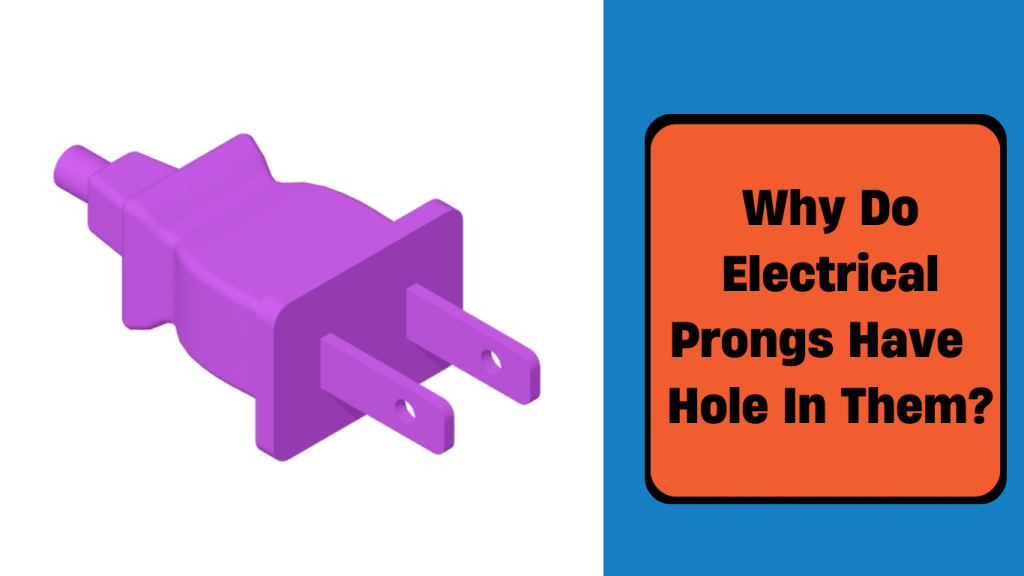
After having a closer look at a plug, have you noticed the holes in the electrical prongs? But why do they exist? Or what benefit do they bring? You can get an answer to this question here in this article: Reasons for the presence of holes in the electrical prongs: Below are the main reasons
Why do Electrical Prongs have a Hole in them? Read More »
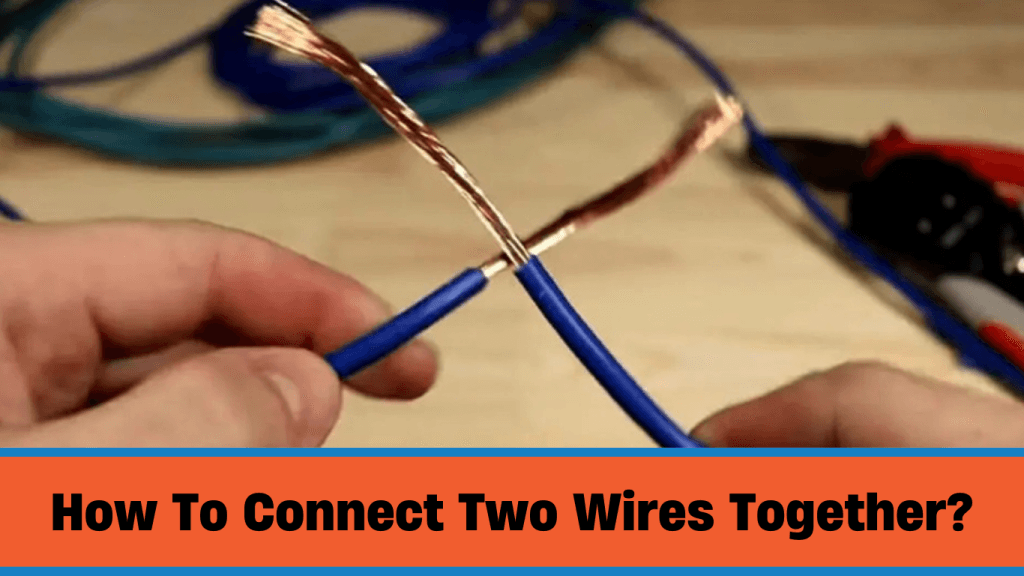
Are you trying to connect two wires together? You must have been trying a DIY hack for a quick electrical repair, right? So is it the wire connection that is taking a lot of your time? It won’t be an issue anymore, as we’ll share a few methods for connecting the wires together here in
How to Connect two Wires Together? Read More »
Have you hired a professional electrician lately? Has the amount charged made you wonder about the total amount an electrician would earn in Chicago? A professional electrician earns a significant amount each year, depending upon several factors, which we’ll be discussing here in this article. Here’s what an electrician earns: The base pay of an
How Much Does Electrician Make in Chicago? Read More »
The creation of a secure and reliable connection is significant to ensure the safety of your home and family. But what if you have a loose connection in the electrical circuit? Many of us wouldn’t know if such a problem exists, while others could be looking for a solution to fix it. Whatever your situation
Loose Connection in an Electrical Circuit Read More »
Depending upon the level of training of an electrician there are several areas of the profession for them to delve into specialty. He or she can concentrate on construction or work in the film industry; all of the aspects of life from sun up to sun down that involve electricity require an electrician’s hand. When
What Does an Electrician Do? Read More »
No college education is required to become an electrician, but significant training takes place through an apprenticeship program, which provides in-class and hands-on instruction. They can be employed in a number of electrical jobs or work freelance, both of which mandate licensure. Also Check: Top Roles and Responsibilities of an Electrician
What to study to be an electrician? Read More »
Electrician Apprentice Job Description. Electrician Apprentices support Electricians in the maintenance, operation and repair of electrical systems. They assist with and perform installation and maintenance tasks in order to ensure the effective operation of various electrical equipment. Also Check: What to study to be an electrician?
What do electrical apprentices do? Read More »
Electricians usually charge between $50 to $100 per hour. For the entire project, you’ll spend an average of $317, or within a range between $160 and $502 or more. Both hourly and project rates vary depending on the type of project, license and experience of the service provider. You can visit our Electrician FAQs for more
How much does an electrician make per hour? Read More »
Electricians are trained to one of three levels: Apprentice, Journeyman, and Master Electrician. In the US and Canada, apprentices work and receive a reduced compensation while learning their trade. You can visit our Electrician FAQs for more information. Also Check: How much does an electrician make per hour?
What are the levels of an electrician? Read More »
The overtime rate for electricians who are non-exempt is one and one-half their regular rate of pay. Some states may have their own overtime pay laws that may be slightly different from the FLSA with respect to overtime pay for electricians. Also Check: What are the levels of an electrician?
Do electricians get paid overtime? Read More »
The answer is obvious – electrical tasks are dangerous. And thus job of an electrician is a risky job. … This isn’t a risk exclusive to electricians but it is too common to ignore. If an electrician is working with heavy equipment, he stands the risk of getting injured with such equipment as well. You
Is being an electrician dangerous? Read More »
The average pay for an Electrician is $21.45 per hour. The average pay for an Electrician is $52,911 per year. Is Electrician your job title? You can visit our residential electric work for more information. Also Check: Is being an electrician dangerous?
What is the minimum wage for an electrician? Read More »
You would never be able to acquire any type of liability insurance as a contractor to do any kind of electrical work without a license, nor would you be able to pull a permit for a homeowner. … Only a master can pull permits or supervise the training of the lower two classes. This process
Can you do electrical work without a license? Read More »
Electricians must have good manual dexterity and eye-hand coordination. They also need excellent troubleshooting and critical thinking skills. To work in this occupation, one needs a high school or GED, must be at least 18-years-old, and enroll in an apprenticeship program to be a competitive job candidate. You can visit our commercial electrician services for more information.
Do you need to be smart to be an electrician? Read More »
The age of an electrician is a neglected topic in the professional electrician community. Although we might also be pleased in knowing more about the age, it isn’t important when it comes to the skills or professional ability of the electricians. In this article, we’ll share the average age of the licensed electrician and the
What is the Average Age of an Electrician? Read More »
Most Electricians Work a 40-Hour Work Week. What hours do electricians work? For the most part, electricians work a normal 8-hour day. That can mean a regular 9am-to-5pm timeframe, but most of the time it skews a little earlier than that, and many electricians start work at 6am or 7am or 8am. You can visit
How many hours does an electrician work? Read More »
Nearly half of the approximately 175 deaths caused each year in the electrical trades occur in construction, with electricians accounting for about 7 percent of total deaths in the building trades, according to the Bureau of Labor Statistics. You can visit our Chicago electrician reviews for more information. Also Check: How many hours does an electrician
Q-How many electricians die each year? Read More »
Must have at least 12,000 hours of on-the-job training under the supervision of a master electrician; Have held a journeyman electrician license for at least two years; and.Pass a master electrician examination administered under this chapter. You can visit our Chicago electrician reviews for more information.
How do I get my master electrician license? Read More »
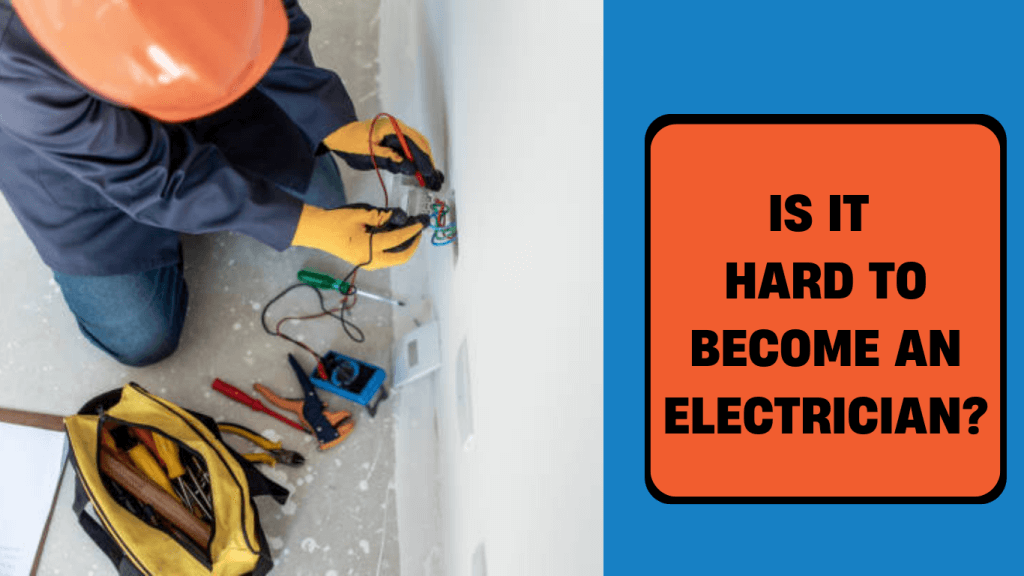
Becoming a licensed electrician can take some time. Most apprenticeship programs require 4 years to complete. That includes 8,000 hours of on-the-job training and over 500 hours of classroom instruction. … At the end of your apprenticeship, you’ll need to pass a state licensure exam to become a Journeyman electrician. You can visit our Chicago
Is it hard to become an electrician? Read More »
The National Electrical Code is a standard for the safe installation of electrical wiring and equipment in the United States. The National Fire Codes series is part of it. While this is not a federal law, many states have adopted it. This helps them with enforcing electrical practices, that are safe. This systematizes requirements followed
The National Electrical Code Read More »
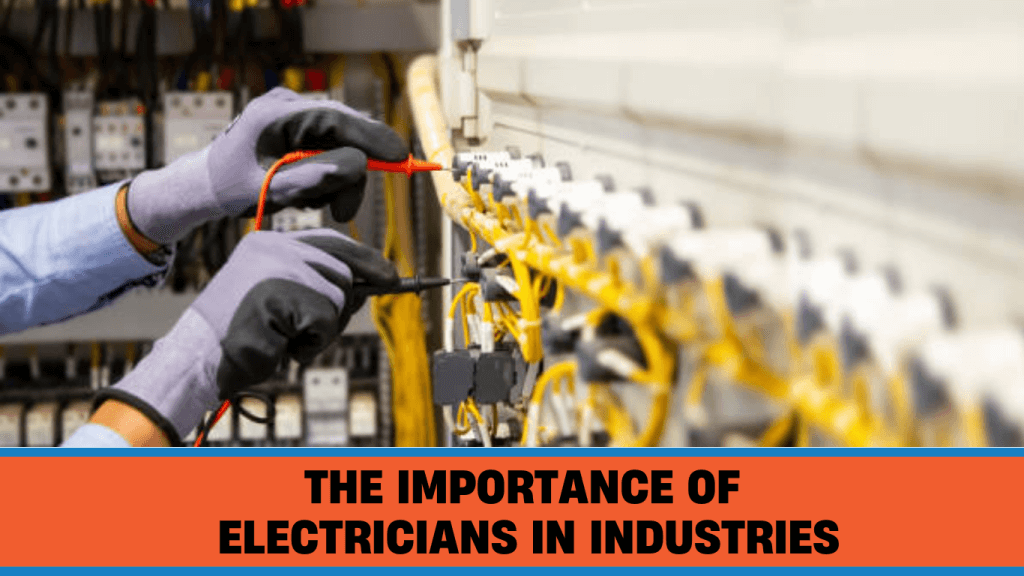
Electricity is one of our major needs nowadays and its necessary for our day to day life. Most of the thing that we have now is with the aid of electricity like your griller, rice cooker, and even hospital equipments and to be able to sustain a good electricity we should also have a good
The Importance of Electricians in Industries Read More »
Understanding Electrical Safety Precautions
Electrical safety is crucial for both residential and commercial spaces. Ensuring that all electrical installations and repairs are conducted with safety in mind can prevent accidents and injuries. Key safety precautions include using insulated tools, wearing appropriate personal protective equipment, and ensuring that circuits are de-energized before beginning work.
In addition to personal safety measures, it's essential to follow local electrical codes and regulations. Regular inspections and maintenance of electrical systems can also help identify potential hazards before they result in serious issues. For instance, ensuring that smoke detectors and GFCI outlets are functional can significantly enhance safety in any environment.
How to Choose the Right Electrician for Your Needs
Selecting the right electrician is vital to ensure that your electrical work is performed safely and effectively. When choosing an electrician, consider their qualifications, experience, and customer reviews. It's also beneficial to ask for quotes from multiple electricians to compare pricing and services offered.
Additionally, verify that the electrician is licensed and insured. This not only protects you as a homeowner but also ensures that the electrician adheres to local regulations and standards. Checking references and past work can provide insight into their reliability and quality of service, helping you make an informed decision.
Benefits of Regular Electrical Maintenance
Regular electrical maintenance is essential for the longevity and efficiency of your electrical systems. By scheduling routine checks, you can identify and rectify issues before they escalate into costly repairs or safety hazards. Maintenance tasks may include inspecting wiring, testing circuit breakers, and ensuring that all outlets and switches are functioning correctly.
Moreover, regular maintenance can lead to energy savings by optimizing the performance of your electrical systems. Upgrading outdated components during maintenance can improve energy efficiency, thus reducing utility bills. For commercial properties, maintaining electrical systems can ensure compliance with safety regulations and minimize downtime.
Common Electrical Myths Debunked
There are many myths surrounding electrical work that can lead to misunderstandings and unsafe practices. One common myth is that all electrical work can be done safely by homeowners, which is not true. Certain tasks require professional expertise to ensure safety and compliance with local codes.
Another myth is that using higher wattage bulbs in fixtures designed for lower wattage will not cause issues. This can lead to overheating and potential fire hazards. Educating yourself about these myths can help you make safer choices regarding your electrical systems and understand when to call a professional.
Understanding Electrical Safety Precautions
Electrical safety is crucial for both residential and commercial spaces. Ensuring that all electrical installations and repairs are conducted with safety in mind can prevent accidents and injuries. Key safety precautions include using insulated tools, wearing appropriate personal protective equipment, and ensuring that circuits are de-energized before beginning work.
In addition to personal safety measures, it's essential to follow local electrical codes and regulations. Regular inspections and maintenance of electrical systems can also help identify potential hazards before they result in serious issues. For instance, ensuring that smoke detectors and GFCI outlets are functional can significantly enhance safety in any environment.
How to Choose the Right Electrician for Your Needs
Selecting the right electrician is vital to ensure that your electrical work is performed safely and effectively. When choosing an electrician, consider their qualifications, experience, and customer reviews. It's also beneficial to ask for quotes from multiple electricians to compare pricing and services offered.
Additionally, verify that the electrician is licensed and insured. This not only protects you as a homeowner but also ensures that the electrician adheres to local regulations and standards. Checking references and past work can provide insight into their reliability and quality of service, helping you make an informed decision.
Benefits of Regular Electrical Maintenance
Regular electrical maintenance is essential for the longevity and efficiency of your electrical systems. By scheduling routine checks, you can identify and rectify issues before they escalate into costly repairs or safety hazards. Maintenance tasks may include inspecting wiring, testing circuit breakers, and ensuring that all outlets and switches are functioning correctly.
Moreover, regular maintenance can lead to energy savings by optimizing the performance of your electrical systems. Upgrading outdated components during maintenance can improve energy efficiency, thus reducing utility bills. For commercial properties, maintaining electrical systems can ensure compliance with safety regulations and minimize downtime.
Common Electrical Myths Debunked
There are many myths surrounding electrical work that can lead to misunderstandings and unsafe practices. One common myth is that all electrical work can be done safely by homeowners, which is not true. Certain tasks require professional expertise to ensure safety and compliance with local codes.
Another myth is that using higher wattage bulbs in fixtures designed for lower wattage will not cause issues. This can lead to overheating and potential fire hazards. Educating yourself about these myths can help you make safer choices regarding your electrical systems and understand when to call a professional.