Electricians Tips & Tricks
The days stretch on, kids run around until late, and dinners often move outside under the open sky. It’s the season when patios turn into dining rooms, and porches become hangouts. But without the right light setup, a lot of that charm disappears once the sun goes down. That’s why outdoor lighting landscaping matters. It’s […]
Outdoor Lighting Installation Tips for Summer in Oak Park Read More »
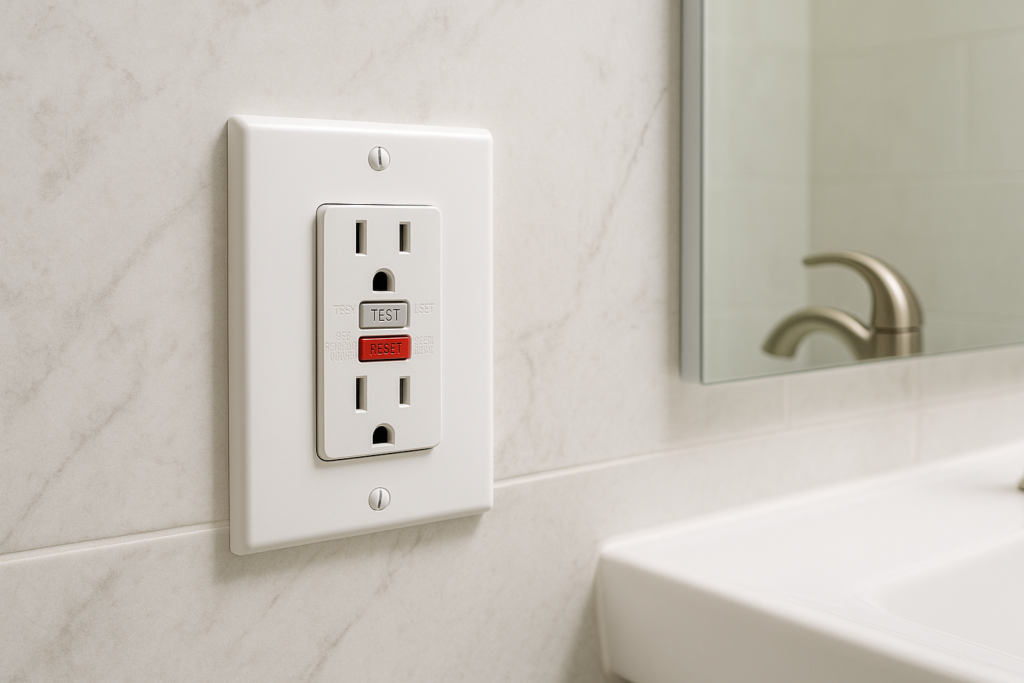
Electricity is in every part of our daily lives. We rely on it to cook, to clean, to stay connected. But it’s not something to mess with. One small mistake—wet hands, a loose wire—and it can turn dangerous fast. That’s why GFCI outlets exist. You’ve probably noticed them before. They look like regular outlets, but
What is a GFCI Outlet and Why is It Crucial for Electrical Safety? Read More »
Yes, they can erode when the wires are exposed to water, or excessive humidity or moisture. The corrosion of wires can be responsible for insulation and other terminal failures. All of it could lead to excessive safety risks. So, getting help from an electrician to analyze your wires is always advisable if you risk them
Can electrical wiring be water damaged? Read More »
While the internal house area is fully wired to offer you multiple electrical sockets and outlets, it can be tricky to install the outdoor lights. You might not have the wiring or an outlet where you can connect the switches. So, what’s the solution? Should you leave the outer part of your home without light?
How to Power Outdoor Lights? (Complete Details) Read More »
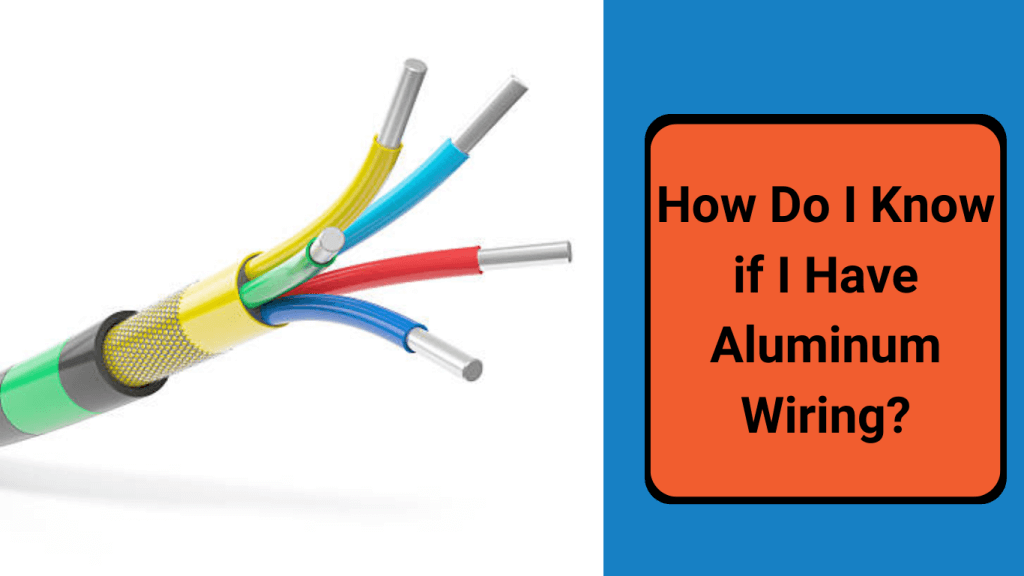
Aluminum wiring in the home comes with a fire risk. The new buildings use copper wiring. However, if you have an old building, there can be a chance that it might have aluminum wiring. If this is the case, you have to be especially attentive to the electrical wiring in your home or building. But
How Do I Know if I Have Aluminum Wiring? Read More »
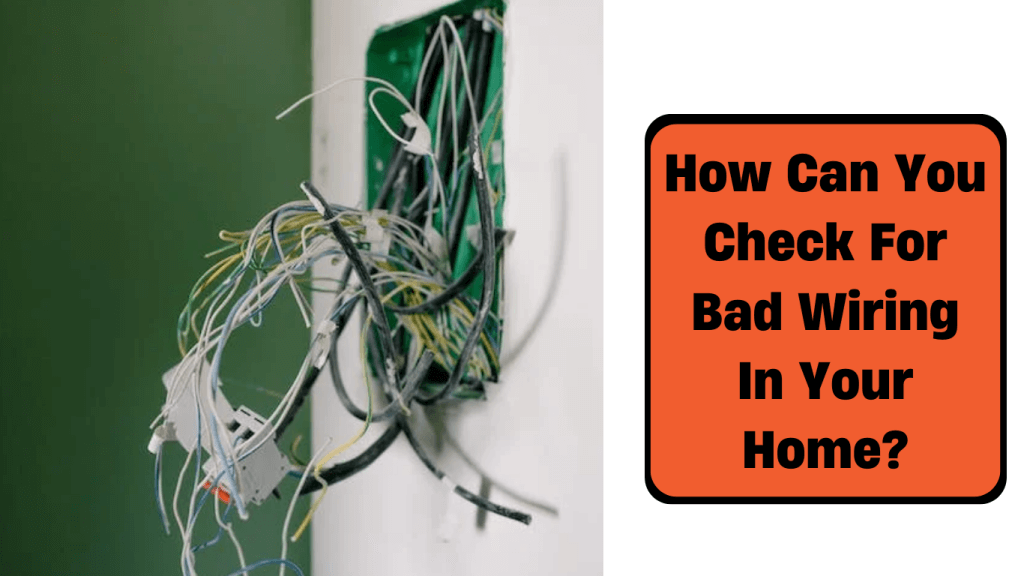
Bad wiring is the last thing you would like in your home. It isn’t only dangerous for the electrical equipment and appliances. But also a cause of safety hazard for you and your family. But how you can check for bad wiring in your home or precisely when is the right time for the repair
How Can You Check for Bad Wiring in Your Home? Read More »
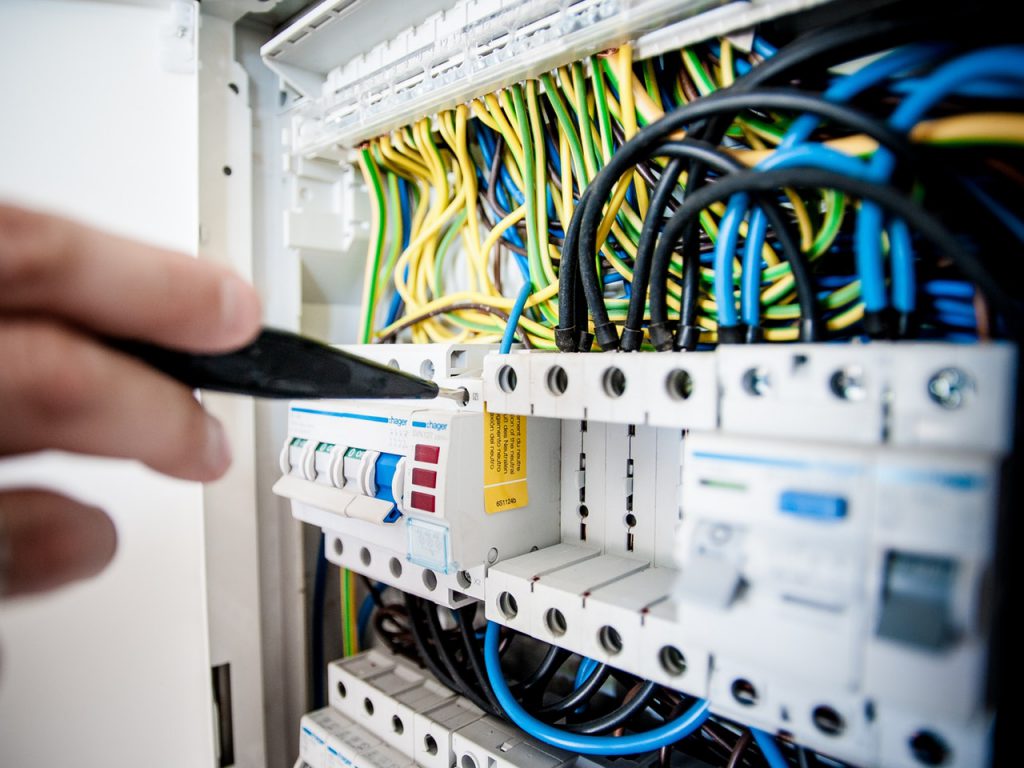
Without the tools, electricians cannot perform even the minor electrical functions. Usually, all the electricians have the complete kit containing all the tools they need for general repair or installation work. Although there can be numerous tools that can be part of the electrician tool kit; but, we’ll share five primary ones that are a
5 Tools for the Best Electrician Kit Read More »
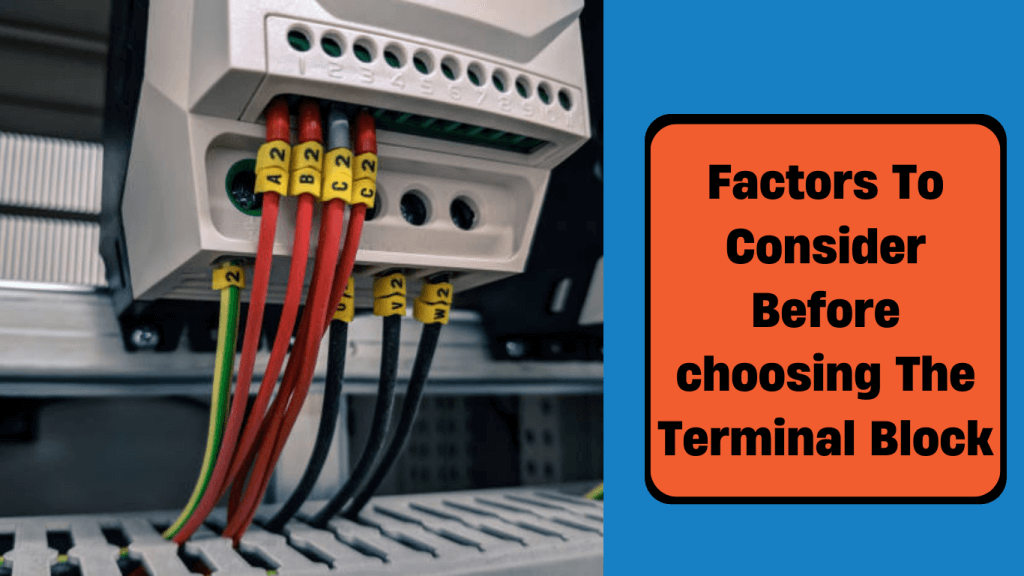
To connect different wire terminals, terminal screws or terminal blocks play an important role. In this article, we’ll cover the mechanism of the working of the terminal screws and the way they can benefit you in detail. What is a terminal block? For people unaware of the electronic stuff, let us share what they are.
Factors to Consider Before Choosing the Terminal Block Read More »
Have you observed the wire getting hot whenever you plug it in? Do you want to know the reason? We have it here in this article: Electricity is the flow of electrons from one point to the other; this movement creates energy, resulting in heat in the wires. Besides, the movement of electrons also has
What causes Heat and Light in a Wire? Read More »
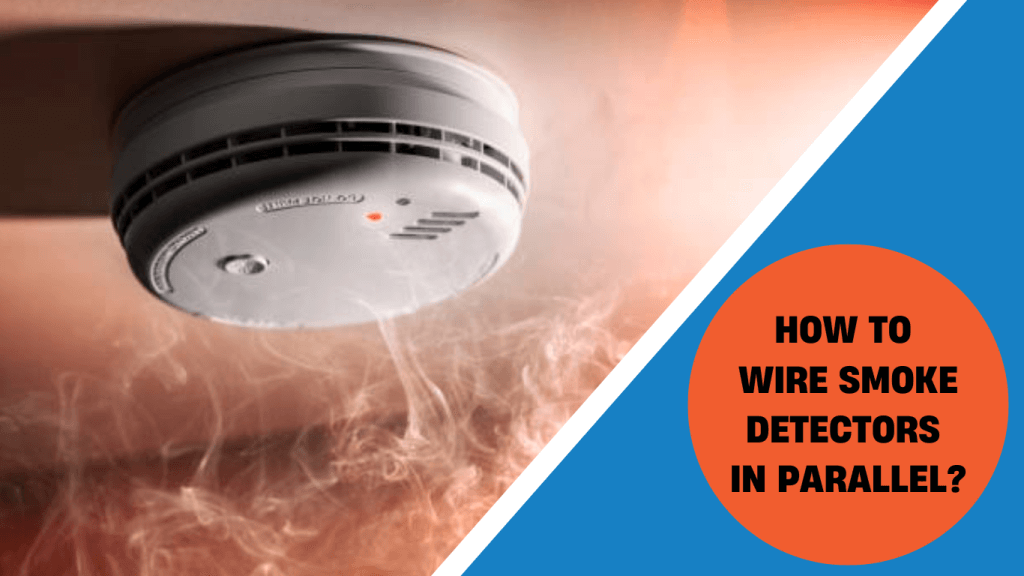
Wiring a smoke detector is integral in ensuring your safety. Besides, it is one of the regulations you need for law compliance. You can hire an electrician to help you with the proper setup of the smoke detectors. But the process of setting up is not complex, and you can do it yourself. One important
How to Wire Smoke Detectors in Parallel? Read More »
Maecenas pharetra risus sit amet gravida fermentum. Mauris vitae magna maximus, tempus neque ac, feugiat velit. Etiam a enim nec quam fringilla cursus. In porttitor elit mi, at tempor lorem fringilla vitae. Proin in egestas purus. Cras vestibulum efficitur tempor. Morbi magna nisl, sollicitudin nec quam in, tempor convallis dolor. Nullam eu urna magna. Suspendisse…
When Should You Schedule an Electrical Inspection? Read More »
Maecenas pharetra risus sit amet gravida fermentum. Mauris vitae magna maximus, tempus neque ac, feugiat velit. Etiam a enim nec quam fringilla cursus. In porttitor elit mi, at tempor lorem fringilla vitae. Proin in egestas purus. Cras vestibulum efficitur tempor. Morbi magna nisl, sollicitudin nec quam in, tempor convallis dolor. Nullam eu urna magna. Suspendisse…
Why Are the Lights Flickering? Read More »
Understanding Electrical Codes and Regulations
Electrical codes and regulations are essential for ensuring safety and compliance in electrical installations. These codes provide guidelines that electricians must follow to prevent hazards and ensure that electrical systems operate safely and efficiently.
For example, the National Electrical Code (NEC) sets the standards for electrical wiring and installations in the United States. Familiarizing yourself with these regulations can help both professionals and DIY enthusiasts avoid common mistakes and ensure that their work meets legal requirements.
Common Electrical Problems and Their Solutions
Homeowners often encounter various electrical problems that can disrupt daily activities. Recognizing these issues early and understanding how to address them can save time and money while ensuring safety.
For instance, frequently tripped circuit breakers may indicate an overloaded circuit or a short circuit. By identifying the cause, homeowners can take appropriate action, such as redistributing electrical loads or consulting a licensed electrician for repairs.
Energy-Efficient Lighting Options
Switching to energy-efficient lighting can significantly reduce electricity bills and environmental impact. Understanding the different types of energy-efficient lighting options available can help homeowners make informed choices.
LED bulbs, for example, consume up to 80% less energy than traditional incandescent bulbs and have a much longer lifespan. By replacing outdated lighting fixtures with energy-efficient alternatives, homeowners can enjoy both cost savings and improved lighting quality.
Safety Tips for DIY Electrical Projects
Engaging in DIY electrical projects can be rewarding, but safety should always be the top priority. Knowing the basic safety tips can help prevent accidents and injuries during electrical work.
Always turn off the power at the circuit breaker before starting any electrical project, and use appropriate tools and protective gear. Additionally, if a project seems too complex or risky, it's advisable to consult a professional electrician to avoid potential hazards.